
By Kambes Kesolei
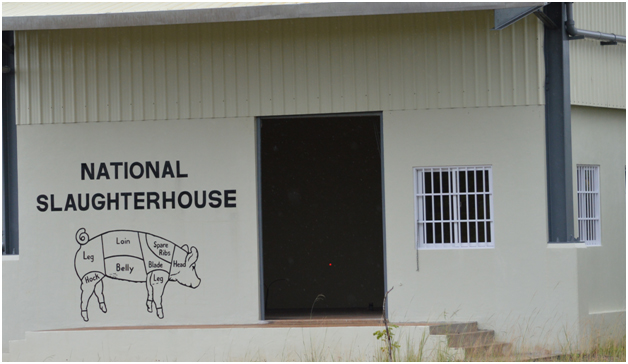
Locally raised and certified pork meat is experiencing a surge in popularity, according to Bureau of Agriculture Director Kashgar Rengulbai. Pork processed at the Palau National Slaughterhouse—where it is certified, butchered, and vacuum-packed—is selling out quickly in local markets.
In a recent interview, Director Rengulbai cited the example of a local pig farmer who used the national slaughterhouse to prepare pork for sale at West Melekeok Mart. The meat sold out almost immediately.
“The demand is high,” Rengulbai confirmed.
He noted that more consumers, including both Palauans and foreign residents, are shifting away from imported frozen pork in favor of fresh, locally produced options.
Palau consumes the equivalent of three whole pigs per day, and demand continues to grow. Traditionally, pigs were raised primarily for customary events such as funerals, with farmers waiting for buyers to come forward. But this pattern is changing.
Now, farmers are raising pigs with feed from the government-run feedmill, bringing them to the national slaughterhouse for certification, and selling the meat through retail outlets. According to Rengulbai, pigs raised on feedmill diets typically reach an optimal weight of 200 to 250 pounds in about six months.
“That weight range produces the best quality meat and offers the highest return on investment,” he explained.
“After six months, pigs continue to gain fat, but costs also increase, lowering profitability,” Rengulbai added.
Consumer preferences have also shifted. In the past, heavier pigs around 300 pounds were preferred for their fat content, but today, leaner pork in the 200-pound range is more in demand.
Despite strong demand, the number of pigs processed at the slaughterhouse remains low and relatively unchanged—66 in 2024 compared to 72 in 2023—showing no clear growth in certified pork production.
Another challenge the industry has faced is a decline in piglet births due to inbreeding. However, efforts to address the issue are showing promise. With assistance from Taiwan, the Bureau has introduced artificial insemination using imported frozen semen. The insemination program at Nekken began several months ago and is expected to increase the piglet population in the coming months.
“Within four months, we expect to see a noticeable increase in piglets as inbreeding is reduced,” Rengulbai said.